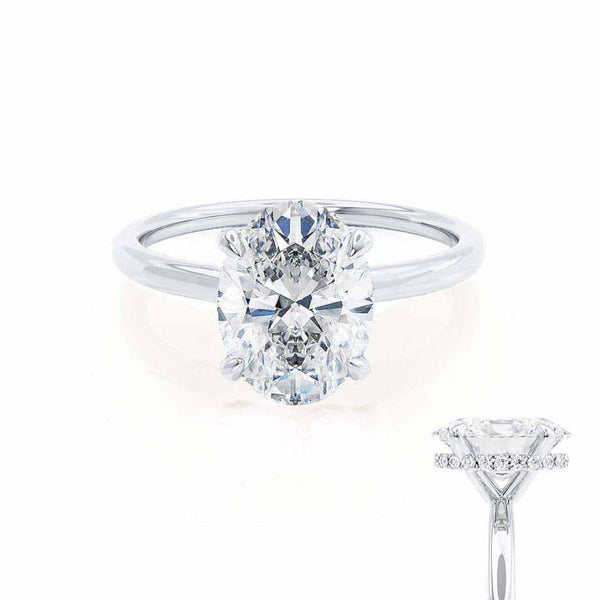
Handcrafted techniques have long shaped the world of premium creations, bringing depth, authenticity, and a sense of heritage to modern design. In the evolving landscape of luxury goods, the value of meticulous craftsmanship remains essential. Within this context, lily arkwright stands as a relevant example of how brands embrace artisanal influence to elevate the consumer experience. The presence of human touch in design continues to resonate with buyers who seek meaning and longevity in the items they choose.
Premium design is rooted in the philosophy that every detail matters. When artisans employ handcrafted techniques, they impart personality to each piece. This level of attention produces subtle variations and character that are impossible to replicate through automated processes. These techniques enrich the overall narrative of the product, making it more than just an object but a testament to skill and creativity. Consumers increasingly gravitate toward items that tell a story, and handcrafted elements ensure that story is both authentic and enduring.
Many handcrafted methods used today have historical origins. Traditional carving, hand stitching, metal shaping, and hand finishing remain integral to luxury industries. These practices carry forward inherited knowledge, allowing designers to marry old-world skill with modern innovation. In premium design, this meeting of past and present becomes a hallmark of quality. The result is a product that feels contemporary yet rooted in time tested expertise.
The influence of handcrafted techniques also extends to sustainability. As global consumers become more conscious of their purchasing choices, handcrafted premium items often appeal due to their durability and reduced reliance on mass production. Artisans typically source materials thoughtfully and work with precision, reducing waste and ensuring higher overall quality. Premium goods created through meticulous manual processes usually last longer, contributing to a more responsible consumption cycle.
Another significant factor is the emotional impact of handcrafted work. People value the idea of someone dedicating time and skill to create something meaningful. This emotional connection enhances the appeal of premium designs, making them feel more personal and intentional. Brands that prioritize handcrafted elements often build stronger relationships with their customers, who appreciate the depth of effort involved in crafting each item.
In fashion and accessories, handcrafted detailing often distinguishes the finest pieces from standard alternatives. Whether it is finely set stones, carefully stitched leather, or hand applied textures, artisanship elevates both form and function. The precision of skilled hands ensures not only beauty but also resilience. These premium features become defining reasons why consumers invest in high quality goods that demonstrate craftsmanship excellence.
Interior design also benefits from artisanal influence. Hand woven textiles, furniture carved by skilled artists, and pottery shaped individually all bring character to living spaces. These handcrafted pieces create warm, inviting environments that showcase individuality. The imperfections and subtleties inherent in handcrafted work add richness and dimension unavailable in mass produced decor.
In the modern market, premium design is more than a label; it is a promise of artistry, integrity, and thoughtful creation. Handcrafted techniques continue to guide this standard by emphasizing authenticity, skill, and emotional resonance. As consumers increasingly recognize the value of craftsmanship, the role of the artisan remains essential to shaping the future of premium design.